Dynamat
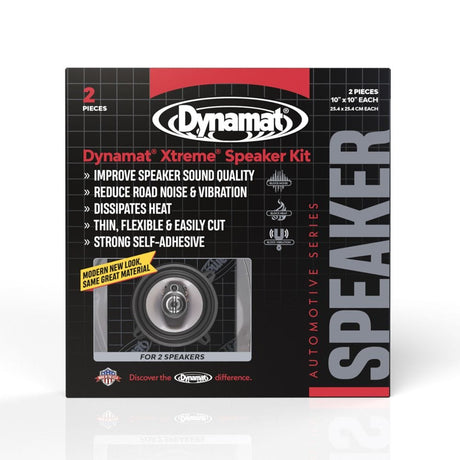
Dynamat DYN10415R 2 Door Sound Proofing Kit for Speaker Upgrade
In stock (7 units)£19.99Unit price /Unavailable-
Stinger
Stinger RKSTSK RoadKill Stealth's Speaker Kit
In stock (1 unit)£19.99Unit price /Unavailable -
Stinger
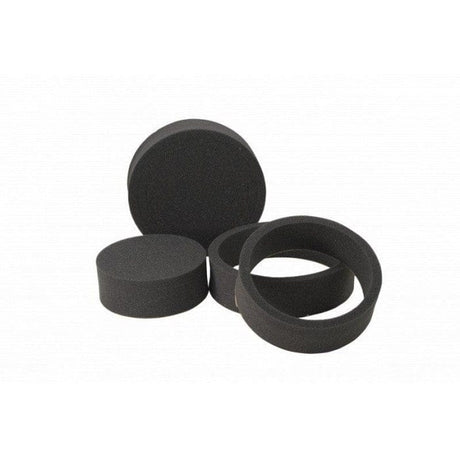
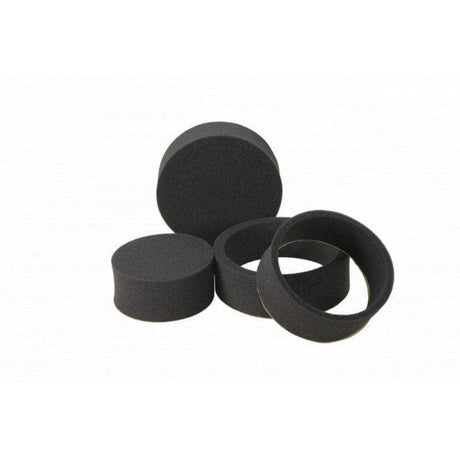
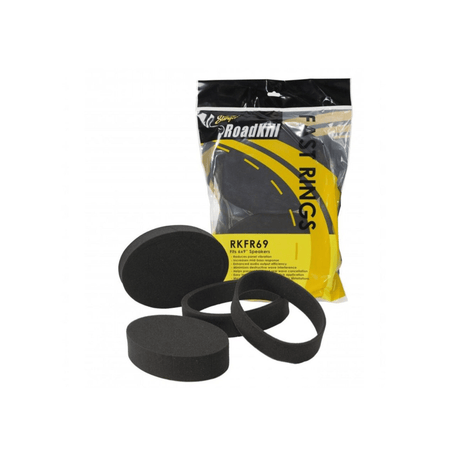
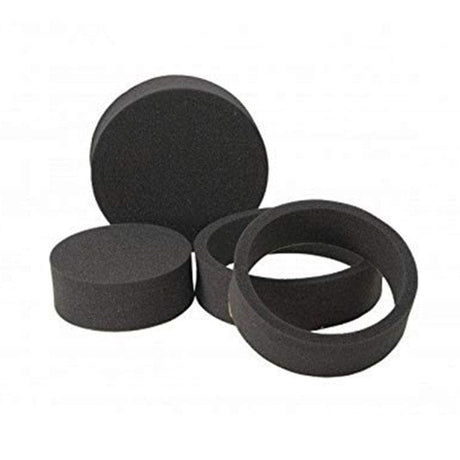
Stinger RKFR5 ROADKILL FAST RINGS 5" & 5.25"
In stock (2 units)£26.24Unit price /Unavailable -
-
Save £10.00 (14% off)
Stinger
Stinger RKO12 32" x 54" Overkill Foam Damping Mat for Body Panels - 1 Per Pack (12 SQ.FT)
In stock£59.99£69.99Unit price /Unavailable -
Dynamat
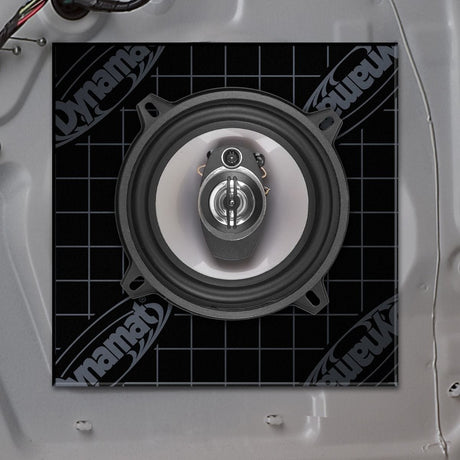
Dynamat DYN21410 PRO Speaker Sound Deadening & Enhancement Pack
£79.99Unit price /Unavailable 
Stinger
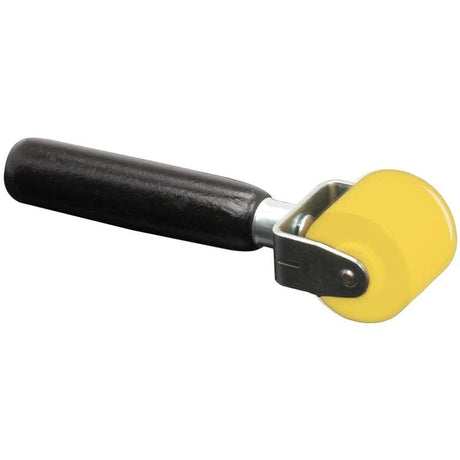
Stinger Roadkill RKROLLER2 Extra Wide Pressure Roller
In stock£19.99Unit price /Unavailable-
Connects2
Connects2 VW Speaker Fitting Kit with Wiring & Sound Deadening
In stock (3 units)£49.99£99.99Unit price /Unavailable-
Stinger
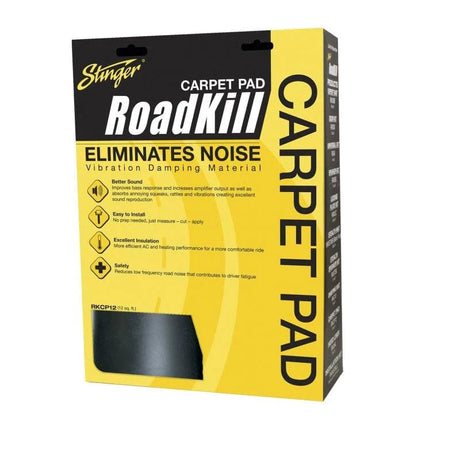
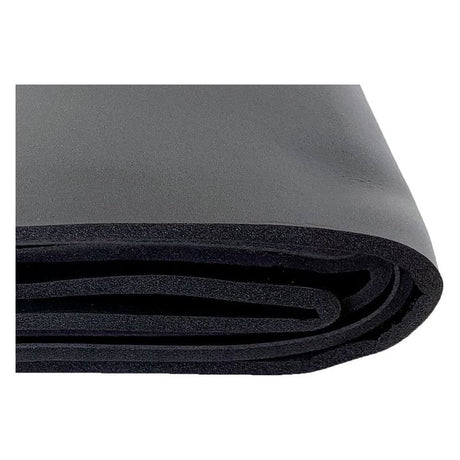
Stinger Roadkill RKCP12 32x54-inch, 9mm Sound Proofing Foam for Carpet Pad/Footwells
£109.99Unit price /Unavailable -
-
Dynamat
Dynamat DYNXVAN-KIT Xtreme Sound Deadening Pack – Medium Van Kit
£479.98Unit price /Unavailable -
Dynamat
Dynamat DYNXGLF-KIT Xtreme Sound Deadening Pack – For VW Golf
£239.99Unit price /Unavailable -
Dynamat
Dynamat DYNXFST-KIT Xtreme Sound Deadening Pack For Ford Fiesta
£239.99Unit price /Unavailable -










Shop Car Sound Deadening by Application Area
From rattling doors to humming floors, every part of a car contributes its own noise to the cabin. The categories below match the right fix to each area, so you can target the biggest sources first or build up to a full-car install.
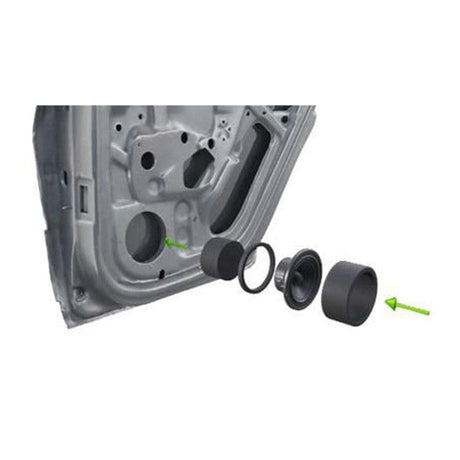
Doors are the largest untreated panels, letting road and wind noise inside. Door kits are designed to reduce vibration, seal speakers, and improve audio clarity. For most drivers, this is the perfect starting point.
Road, tyre, and exhaust noise enter through the floor and transmission tunnel. Floor mats cut low-frequency rumble, the natural next step once the doors are treated.
The roof amplifies rain and wind noise. Roof treatments reduce echo and improve comfort, especially effective for larger vehicles like SUVs, vans, and estate cars needing quieter interiors.
Tyre noise enters through the boot and wheel arches. Boot damping reduces cabin intrusion, which is particularly beneficial for hatchbacks and estate cars, where rear noise is more noticeable.
Comprehensive kits cover all major panels - doors, floor, boot, roof, and wheel arches, for the quietest, most comfortable cabin. Ideal for drivers planning a full audio upgrade or a long-term keeper.
Thermal liners reduce heat transfer and high-frequency noise. Used alongside CLD and CCF, they improve overall cabin comfort, and they’re commonly used in engine bays on performance or modified vehicles where heat soak is the bigger issue.
Why Fit Sound Deadening to Your Car?
Sound deadening reduces the vibrations that turn road, tyre, and wind energy into the noise you hear inside your car. The result is a more comfortable drive and better-sounding speakers. It won't make your car silent, but you'll notice the improvement every single time you get in.

Metal panels vibrate constantly at speed, and that vibration is what you hear as road and tyre noise inside the cabin. Sound deadening prevents the panel from moving, cutting noise before it reaches you, and reducing fatigue on longer drives.
Vibrating door panels compete with your speakers at the same frequencies, muddying the sound. Deadening gives your speakers a solid surface to work against, which tightens bass, reduces distortion, and makes everything clearer, if you're upgrading speakers or adding a subwoofer.
Constant vibration loosens door clips, makes plastics creak, and gradually wears out trim fixings. A deadening mat adds mass and rigidity, reducing the movement that causes those problems over time. The long-term benefit is a cabin that stays tight and rattle-free well into higher mileage.
Many sound-deadening materials also slow heat transfer through the floor and firewall. Your cabin holds its temperature for longer, your air con and heating don't have to work as hard, and every journey feels more settled, regardless of the weather outside.
Car Sound Deadening Features to Consider Before You Buy
Sound deadening involves several material types, each targeting a different noise mechanism. Understanding what each one does makes it easier to choose the right combination for the car, the budget, and the desired level of improvement.
There are three main material types: CLD (constrained-layer damping) mats stick to bare metal and stop panels from vibrating; closed-cell foam (CCF) absorbs airborne sound; and mass-loaded vinyl (MLV) blocks low-frequency noise. Used together, typically CLD as the base, then CCF or MLV over the top, they deliver far better results than any single layer alone.
Covering 60 to 80 per cent of a panel is enough for great results. Full coverage just adds unnecessary weight. A mat thickness of around 1.8mm to 2.5mm is the practical sweet spot for most cars.
Heavier mats block more noise, but too much weight can affect how your car handles and put strain on door hinges over time. Most quality mats sit between 1.2 and 2kg per square metre, which is the right balance for everyday use.
Butyl mats stay flexible in cold weather and don't emit any odour when the car heats up in summer. Asphalt mats are cheaper but go brittle in winter and soft in summer. For a permanent UK installation, butyl is always the better choice in stock.
Cheap adhesive peels away in summer heat and leaves the mat rattling inside the door, exactly the problem you bought sound deadening to solve. Good quality mats use a strong adhesive rated for year-round temperatures. Clean the surface with an alcohol wipe first to get a bond that lasts.
Pre-cut kits are shaped for your vehicle type, saving time and reducing waste. Bulk sheets cost less per square metre and are better suited to larger projects or experienced fitters. For a first install, a pre-cut kit is the easier and faster option.
Doors and floors are easy to do at home with basic tools. Headliners and roof panels are more complex and vary by vehicle. If you're unsure about removing trim without causing damage, professional fitting is the safer and smarter choice.
FAQ about Car Sound Deadening
Where is the best place to put sound deadening in a car?
Where is the best place to put sound deadening in a car?
Doors are the largest untreated panels and the main source of cabin noise. Treating inner skins and door cards gives the biggest improvement. Next comes the floor, tunnel, and boot, with roof treatment best for larger vehicles or full builds.
How long does car sound deadening last?
How long does car sound deadening last?
Butyl‑based mats, when installed correctly, last for the vehicle’s lifetime. Unlike asphalt alternatives, butyl does not harden, crack, or degrade with age or temperature changes. Adhesive bonds stay stable on clean panels, while failures come from poor prep, weak glue, or trapped moisture.
Is car sound deadening worth it?
Is car sound deadening worth it?
Yes, especially if road noise is noticeable on daily routes or the car has an upgraded audio system. Treating the doors alone delivers an immediate improvement while driving. Material costs for a door kit are modest compared to the comfort it provides, and the installation is permanent.
Can I install car sound deadening myself?
Can I install car sound deadening myself?
Door and floor treatment is manageable for confident DIY installers. Key skills include safe removal of trim, proper surface preparation, and clean handling of self‑adhesive mats. Full‑car builds, or roof work, are more complex, with higher risk and time demands, making professional fitting preferable for those without trim experience.
Does sound deadening block noise or just reduce it?
Does sound deadening block noise or just reduce it?
Sound deadening reduces noise by damping vibrations, converting energy into heat rather than sound. Full treatment with CLD, CCF, and MLV layers lowers road, tyre, and wind noise. A car cabin cannot be as silent as a studio, but noticeably quieter is realistic.