Save £20.24 (40% off)
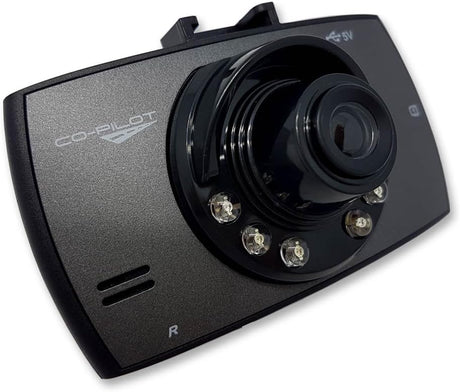
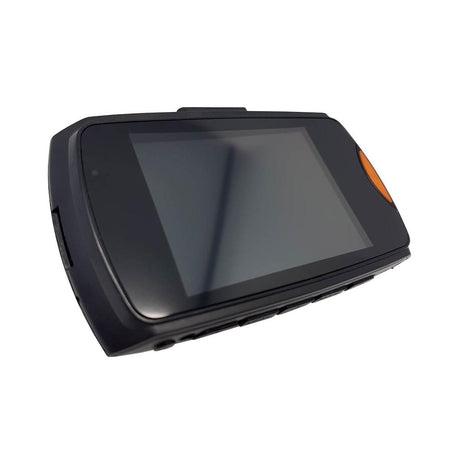
Co-Pilot
Co-Pilot CPDVR1 - Dash Cam - 90 degree wide angle, 2.4 HD TFT screen
In stock£29.75£49.99Unit price /Unavailable-
Save £40.00 (40% off)
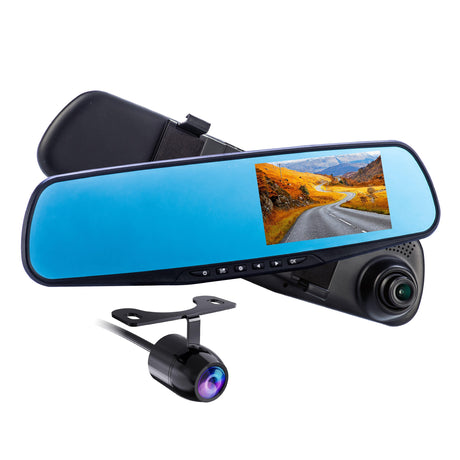
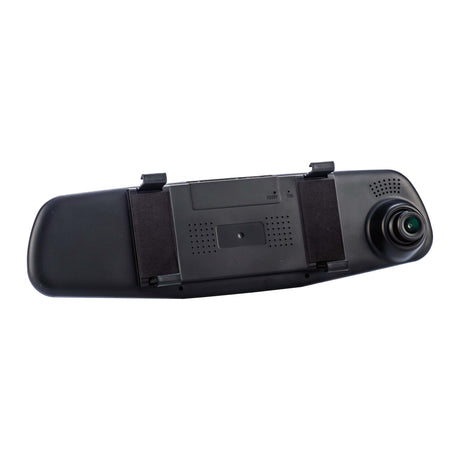
Co-Pilot
Co-Pilot CPDVR3 - 1080P Full HD 4.3" LCD Rearview Mirror Dash Cam with Dual Camera System
In stock£59.99£99.99Unit price /Unavailable 
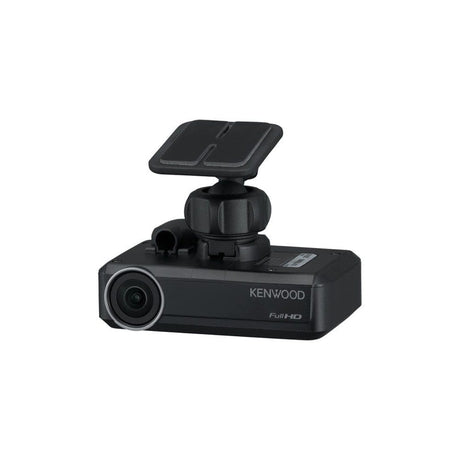
Kenwood
Kenwood DRV-N520 Dash Camera, HDR Technology, Super HD
In stock (2 units)£299.99Unit price /Unavailable-
Save £30.00 (60% off)
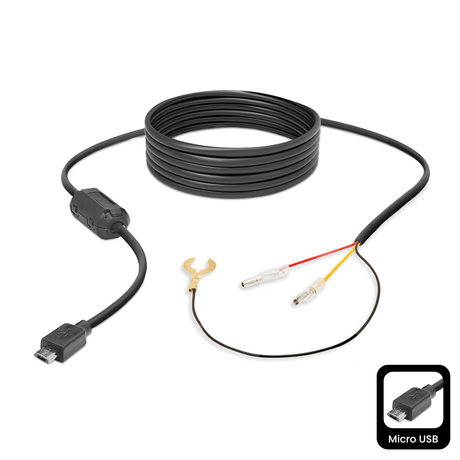
Road Angel
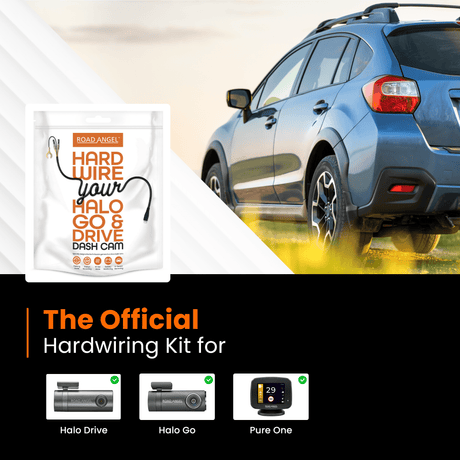
Road Angel Road Angel HWK5V Halo Go/Drive and Pure Hard Wiring Kit
In stock£19.99£49.99Unit price /Unavailable 
Road Angel
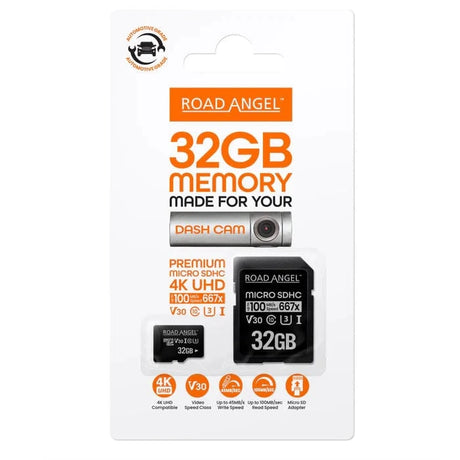
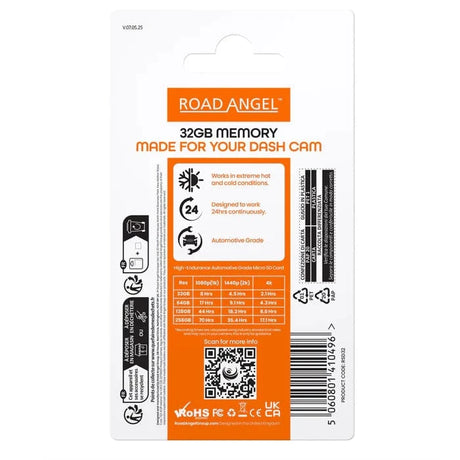
Road Angel 32GB Halo Go and Halo Drive Micro SD Card
In stock£29.99Unit price /Unavailable-
Road Angel
Road Angel Halo Drive 2 1440p QHD Dash Cam (Now Type C)
In stock£139.99Unit price /Unavailable -
Save £50.00 (25% off)
Road Angel
Road Angel Halo Edge 4K Single Dash Cam with Parking Mode & Quick Release Mounting
In stock£149.99£199.99Unit price /Unavailable -
Road Angel
Road Angel Halo Elite 4K (2160p) & 1K (1080p) Dual Dash Cam With Sony Starvis 2
In stock£399.99Unit price /Unavailable -
Save £50.99 (46% off)
-
Road Angel
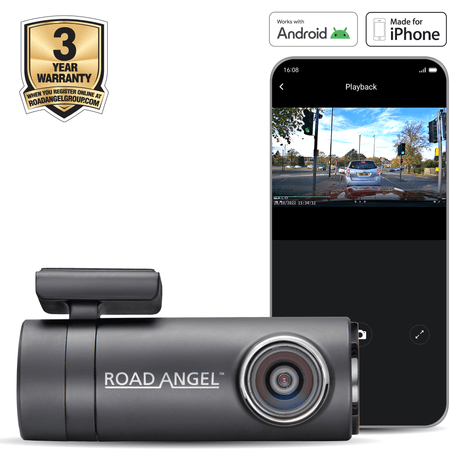
Road Angel Halo Go 2 1296p Full HD Compact Dash Cam
In stock£99.99Unit price /Unavailable -
Pre-order
Road Angel
Road Angel Halo Go 2 1296p Full HD Compact Dash Cam (B-Stock)
In stock (1 unit)£99.99Unit price /Unavailable -
Pre-order
Road Angel
Road Angel Halo Guard 2K 1 channel Dash Cam with Parking Mode & Quick Release Mounting
In stockFrom £199.99Unit price /Unavailable -
Save £49.91 (21% off)
Road Angel
Road Angel Halo Guardian 2K+ Dual Dash Cam with 3.2" Screen, Parking Mode & Quick Release Mounting
In stock£189.99£239.90Unit price /Unavailable -
Road Angel
Road Angel Halo Ignite 2 1080p Full HD Compact Dash Cam With Quick Release Mount
In stock£99.99Unit price /Unavailable -
Road Angel
Road Angel Halo Play 4K Dual Dash Cam with 3.2" Screen, Parking Mode & Quick Release Mounting
In stockFrom £299.99Unit price /Unavailable -
Road Angel
In stockFrom £299.99Unit price /Unavailable

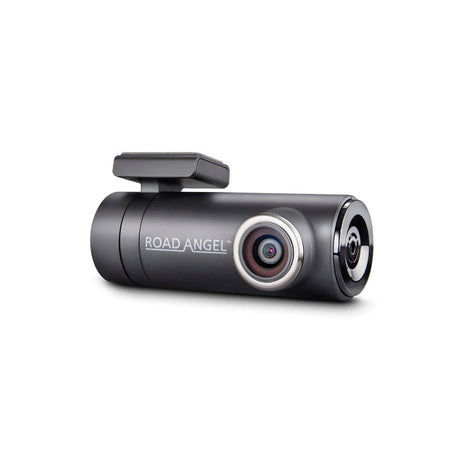


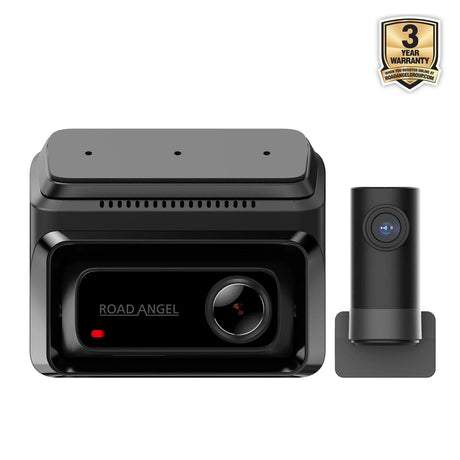
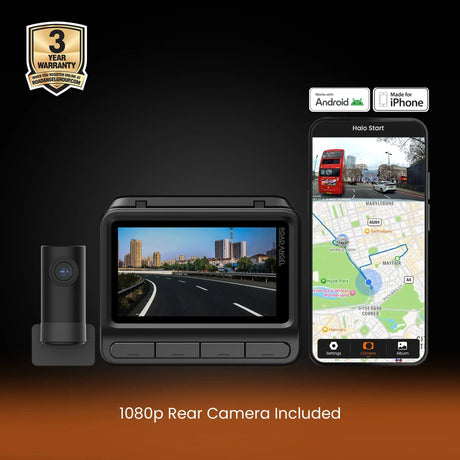
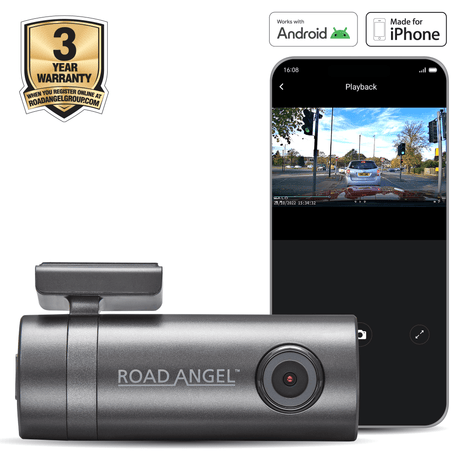
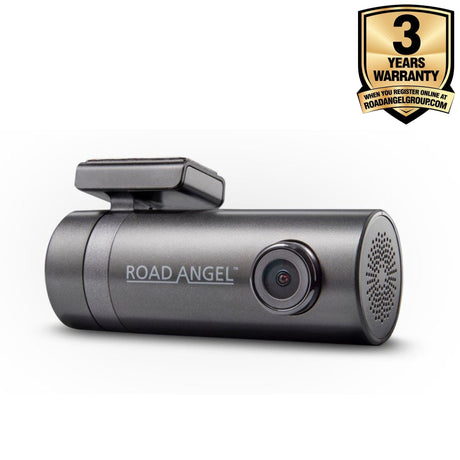
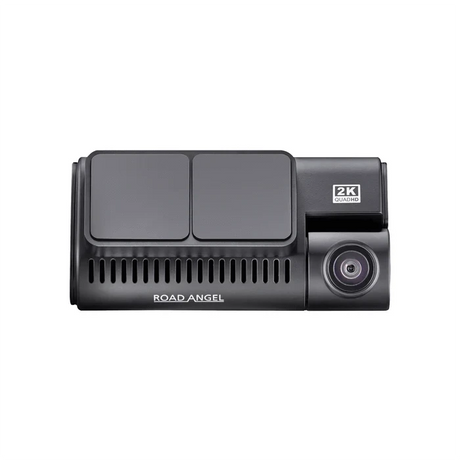


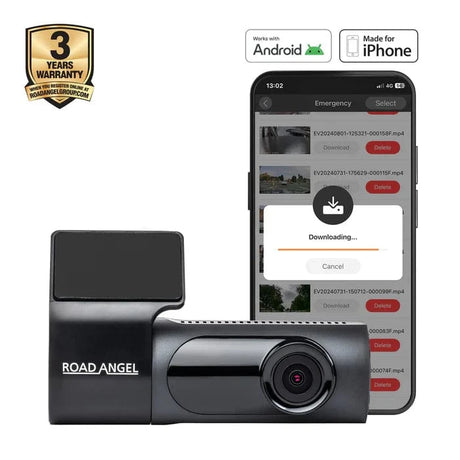
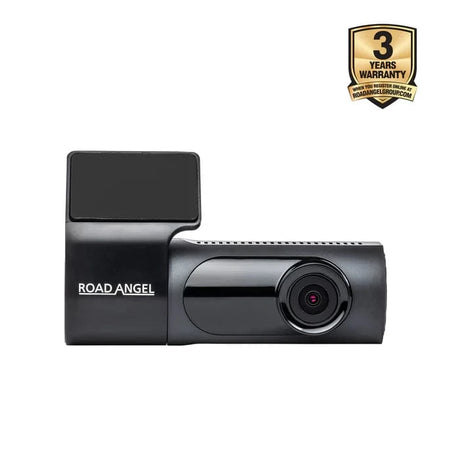
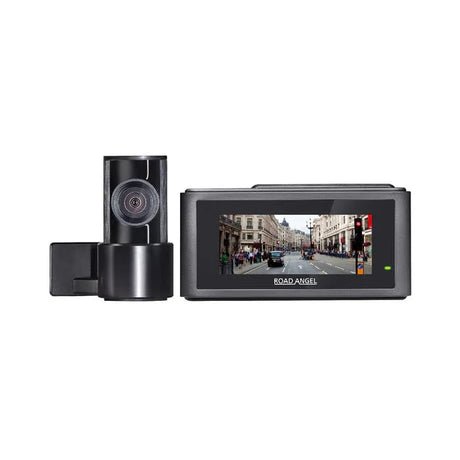
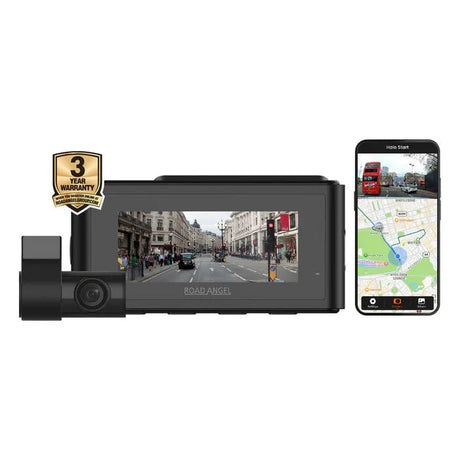
Shop Dash Cams by Type
From entry-level front dash cams to advanced dual-channel systems with 4K recording, there is a model suited to every road condition and driver. Choose by the way you drive, daily commute, motorway miles, taxi work, or scenic touring.
Front dash cams (single-channel systems) capture the road ahead and offer a simple, cost-effective setup. Ideal for recording traffic incidents, signals, and number plates in front of the vehicle. A practical first dash cam for daily commuters.
Front and rear dash cams provide dual coverage by recording both directions simultaneously. These dual-channel dash cam systems are widely used for protection against rear-end collisions and disputed insurance claims.
Rear dash cams capture footage of everything happening behind your vehicle, from tailgaters and rear-end collisions to hit-and-run incidents in car parks. A dedicated rear unit ensures your blind spot stays covered and your footage stays airtight when it matters most.
A dual dash cam for car integrates multiple lenses in a single unit, such as front camera and cabin-facing cameras or a front-and-rear configuration. Commonly used in taxis, private hire vehicles, and family cars requiring interior recording.
4K dash cam delivers ultra-high-definition footage, ensuring number plates remain visible even at high speeds or in low-light conditions. These high-resolution car dash cameras are ideal for motorway driving and night use.
HD dash cams (1080p) provide clear and consistent recording at a lower cost. These budget-friendly dash cameras are suitable for urban driving and everyday journeys where incidents typically occur at lower speeds.
Why Fit a Dash Cam to Your Car?
A dash cam records every journey, helping protect you if you're involved in an accident or insurance dispute. It can capture dangerous driving, provide evidence in hit-and-run situations, and give peace of mind when your car is parked.

A dashcam records the moments before, during, and after an incident. UK insurers accept the footage as evidence, and at-fault drivers find it much harder to dispute a claim when there is video evidence to support it. Some UK insurers, including Adrian Flux and Sky Insurance, offer premium discounts for drivers with an approved dash cam fitted. Check directly with your insurer.
Parking mode keeps the camera active after the ignition is off. Motion or impact wakes the camera, so an incident in a supermarket car park is recorded whether you are there or not. Parking mode usually requires a hardwire kit or a separate battery pack, both available on our dash cam accessories page. Without footage, hit-and-runs are difficult to resolve; with footage, the case is usually closed in a phone call.
The camera starts when the engine starts. It records on a loop: old footage overwrites itself unless the G-sensor flags an impact or you manually save a clip. The last several hours of driving are always available if you need them. You will not remember to press record after a near-miss; an always-on dash cam does it for you.
Beyond protection, a dash cam is a passive travel camera. Coast roads, mountain passes, a drive you want to remember, it is already being captured as recorded footage. No tripod, no setup, no deciding to film it. It just happens, protection by default, memory by accident.
Dash Cam Features to Consider Before You Buy
Buying a dash cam is about choosing smart features that match your driving style. The points below highlight what matters most, helping you make a confident, practical choice.
A 1080p dash cam provides clear footage for city driving, while a 4K dash cam for cars maintains higher clarity at speed and in challenging lighting conditions. The choice between HD and 4K dash cam depends on driving environments and usage frequency.
Front-only coverage handles the most common incidents. Front-and-rear adds protection against rear shunts, which are among the most disputed claim types on UK roads. Inside-and-outside adds a cabin lens for passenger recording, typically used in private hire, taxis, and fleet vehicles.
A connected dash cam lets you download clips, preview footage, and update firmware directly from your phone, no card removal, no cables. For professional drivers who check footage often, this is a genuine time-saver; for occasional reviews, it is a useful extra.
USB powers a dash cam from the 12V socket, cutting off with ignition, simple, portable, and fine for most setups. Hardwiring connects to the fuse box for a cable‑free finish and enables parking mode. Frequent car changes suit USB; long‑term ownership suits hardwiring.
Parking mode keeps the car camera monitoring while the engine is off, activating only on motion or impact to conserve storage. It's the difference between catching and missing a hit-and-run. Most setups require a hardwire kit, so factor that into your total cost.
GPS embeds speed and location into every frame, creating objective data that is difficult to dispute in an insurance claim. It also logs routes for precise playback. A small addition that materially strengthens the evidence presented to insurers.
A compact unit behind the rear-view mirror stays discreet, almost invisible to other drivers or to opportunist thieves. Larger screen-based models allow easier playback and settings adjustment without a phone app. Choose discreet for security-first parking; choose screen-based if you prefer in-camera control over an app.
Low light performance varies more than almost any other spec. Sensors such as Sony STARVIS or large‑aperture lenses capture plate‑legible footage at night vision, while cheaper or affordable dash cam sensors produce grainy results. For regular night driving, sensor quality matters more than headline resolution, because video quality determines how clearly details are captured in low-light conditions.
FAQs About Dash Cams for Cars
What is the best dash cam for a car?
What is the best dash cam for a car?
For most UK drivers, a 1080p or 1440p front-and-rear system with GPS tracking covers the incidents that matter most. Motorway drivers should step up to 4K for plate legibility at speed. If the budget is tight, a 1080p front-only unit still handles most claims.
Where is the best place to fit a dash cam?
Where is the best place to fit a dash cam?
Behind the rear-view mirror, centred on the windscreen, within the wiper-cleared area. This keeps the lens out of your line of sight and ensures the wiper clears rain directly in front of the camera. Avoid the tinted sun strip; it degrades footage in bright conditions.
What is a front and rear dash cam?
What is a front and rear dash cam?
A two-camera system with one mounted at the front, one mounted at the rear window facing back. It captures rear-end collisions and car-park incidents that a front-only camera misses entirely. Rear shunts are among the most disputed claim types on UK roads, and front camera captured footage alone does not resolve them.
Are wireless dash cams available?
Are wireless dash cams available?
Yes. Many models connect via Wi-Fi or Bluetooth, letting you review footage and download clips from your phone without removing the SD card. Most still need a wired dash cam with a power connection to record continuously. Fully battery-powered wireless units exist, but they suit short parking surveillance better than all-day driving.
Is it worth putting a dash cam in your car?
Is it worth putting a dash cam in your car?
Yes. One disputed claim in which footage prevents a liability finding typically covers the combined cost of the camera and fitting. UK insurers accept dash cam footage as evidence, some offer premium reductions, and parking mode protects the car while it sits unattended. The cost is less than one excess payment.
Are dash cams legal in the UK?
Are dash cams legal in the UK?
Yes. Dash cams are legal to use in the UK, provided the camera does not obstruct the driver’s view and any audio recording of passengers complies with GDPR. The Highway Code’s guidance on windscreen-mounted devices applies: keep the camera within the wiper-swept area, behind the rear-view mirror, and out of the driver’s line of sight. For taxis and private hire, signage is required if the dash cams record audio inside the cabin.